

Table of Contents
Introduction
What are Lab Diamonds?
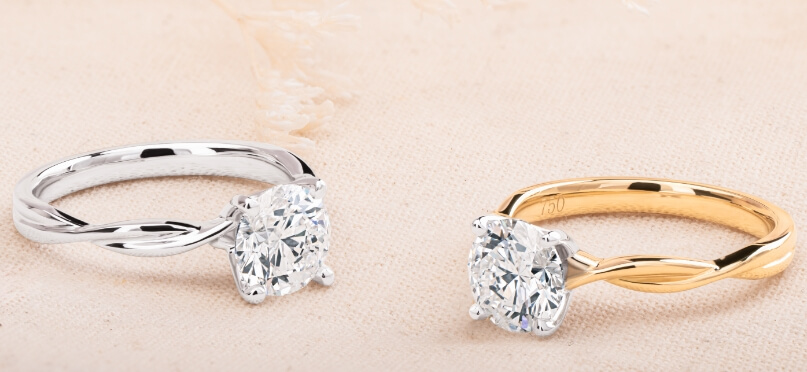
Lab diamonds, also known as synthetic or man-made diamonds, are created in a laboratory setting. They possess the same physical, chemical, and optical properties as natural diamonds, making them virtually indistinguishable to the naked eye lab diamonds London. If you’ve ever admired a dazzling diamond ring, you might be surprised to learn that it could very well be a lab-grown gem.
The Growing Popularity of Lab Diamonds
Over the past decade, lab diamonds have surged in popularity. This increase is due to a combination of ethical concerns, environmental considerations, and cost efficiency. As more people become aware of these factors, the demand for lab-grown gems continues to rise. Celebrities, influencers, and everyday folks are all jumping on the bandwagon, choosing lab diamonds for their beauty and benefits.
Understanding Lab Diamonds
How Lab Diamonds are Made
Lab diamonds are created using two primary methods: High Pressure High Temperature (HPHT) and Chemical Vapor Deposition (CVD). Both methods mimic the natural conditions under which diamonds form in the Earth. HPHT uses intense pressure and heat, while CVD involves a carbon-rich gas that crystallizes onto a substrate. Imagine a tiny diamond seed growing layer by layer, blossoming into a stunning gem right before your eyes.
Differences Between Lab Diamonds and Natural Diamonds
While lab and natural diamonds are virtually identical in composition and appearance, the main difference lies in their origin. Natural diamonds are mined from the earth, often involving extensive labor and environmental impact. Lab diamonds, on the other hand, are created in a controlled environment, reducing these impacts. Think of it as the difference between a wildflower and one carefully nurtured in a greenhouse—they’re both beautiful, but their journeys are quite different.
Myths About Lab Diamonds
There are many myths surrounding lab diamonds, such as the belief that they are fake or of lesser quality. However, these are just that—myths. Lab diamonds are real diamonds and often exhibit higher clarity and fewer inclusions than their natural counterparts. It’s like comparing bottled water to tap water; both are water, but one might be purer due to controlled conditions.
Benefits of Choosing Lab Diamonds
Ethical Considerations
One of the main advantages of lab diamonds is their ethical production. Unlike natural diamonds, lab-grown ones do not involve conflict zones or exploitative labor practices. This makes them a more ethical choice for conscientious consumers. If you care about where your products come from, lab diamonds let you wear your values on your finger.
Environmental Impact
Lab diamonds have a significantly lower environmental footprint compared to mined diamonds. Traditional diamond mining can lead to soil erosion, deforestation, and habitat destruction. Lab-grown diamonds, however,
Conclusion
Summary of Key Points
Lab diamonds are a revolutionary alternative to natural diamonds, offering ethical, environmental, and economic benefits. London provides numerous opportunities to purchase these gems, with a variety of trusted retailers and custom options available. From engagement rings to everyday jewelry, lab diamonds are transforming the market with their sparkle and sustainability.
Final Thoughts
Whether you’re looking for an engagement ring, a special gift, or a beautiful addition to your jewelry collection, lab diamonds are an excellent choice. They combine the timeless beauty of diamonds with modern, ethical production methods, making them a smart and responsible choice for today’s discerning consumers. Imagine the joy of owning a stunning diamond that not only looks incredible but also aligns with your values. That’s the true brilliance of lab diamonds.
 Augustine Daniel